Stop Talking About Net Zero
How the right wing is weaponizing climate costs to scare voters and how to combat them.

If you follow climate news, you hear the phrase Net Zero practically every day.
But in Washington, this concept has become a weapon.
The Trump administration and UK conservatives recently teamed up at an “anti-woke Davos” to aggressively bash net-zero mandates, spending millions to convince voters that saving the planet is a luxury we can’t afford.
The Flaw They’re Exploiting (And How to Fix It)
Here is the contrarian truth: they are exploiting a real flaw.
Trying to hit net zero right out of the gate actually is making our fight against climate change way more expensive and difficult than it needs to be.
But before you assume I agree with their agenda, let me make one thing crystal clear: I deeply believe in solving climate change. I am 100% committed to zeroing out our emissions.
If we want to actually win this thing without breaking the bank, we need to focus on deep decarbonization first, and leave the tricky math of “net” for later.
Here is why this change in focus will save the planet and our wallets.
The Difference Between Cutting and Offsetting
To understand why, we have to look at what these terms actually mean for regular people:
Deep Decarbonization means stopping pollution at the source by swapping dirty machines for clean ones. It means replacing a gas car with an Electric Vehicle, swapping a gas furnace for a heat pump, and powering the grid with renewables rather than fossil fuels.
Net Zero has become a glorified accounting trick. It says you can still emit some carbon, as long as you pay to pull an equal amount of CO2 back out of the air using high-tech machines to offset it.
The Corporate Loophole We All Fell For
Why did net zero become the favorite catchphrase of big oil executives and corporate PR teams?
Because of that magical word: Net.
“Net” has become an accounting loophole. It allows a company to keep burning fossil fuels today as long as they capture the carbon and bury it underground, or they promise to plant some trees or build a carbon-sucking machine later.
It’s a corporate delay tactic.
The Ultimate Whipping Boy
But here’s the kicker: when these expensive, high-tech machines inevitably fail or cost a fortune, fossil fuel advocates point at them and say, “Look how expensive it is to save the planet! We should just stick to gas.”
They’ve turned net zero into a whipping boy to scare us.
But they are hiding the truth: buying an EV, installing a heat pump, and using solar power doesn’t require purchasing an offset—it’s a cheaper, better way to live right now.
Bottom Line: It’s cheaper to cut carbon than to offset it - So let’s just say nyet to the ‘net’ in net zero. Say yes to zero instead.
Why Deep First is Cheaper
Here is the open secret of the climate world: The proven technologies we need to deeply decarbonize our lives have already won on price.
Deep decarbonization gets us 80% of the way to net zero.
It’s an investment that’s more than paid back by cheaper operational costs. It saves money, even without accounting for health or climate benefits.
Deep decarbonization is a total no-brainer. Which completely explains why the right wing is fighting it.
The Workhorses of Deep Decarbonization
These green technologies do the heavy lifting:
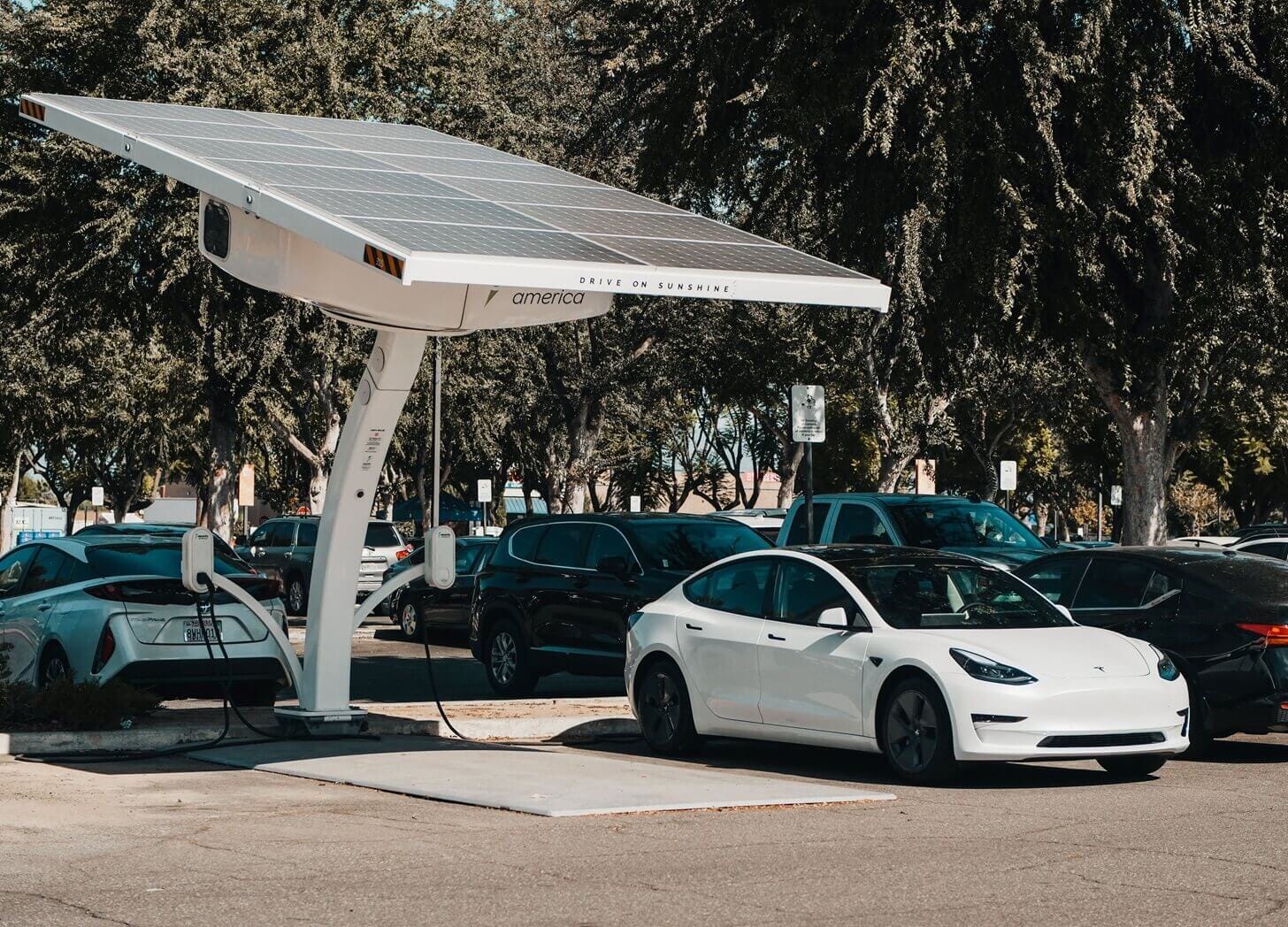
Renewables & Batteries: Solar and wind are now the cheapest forms of electricity in the world.
Heat Pumps: These highly efficient systems heat and cool your home using a fraction of the energy that gas furnaces use.
Electric Vehicles: While EVs have an upfront cost, they drastically cut down on fuel and maintenance, saving money over their lifespan.
Fixing Waste: Stopping methane leaks in oil and gas pipelines (where captured gas can be immediately sold for profit).
Energy Efficiency: Massive rollouts of commercial LED lighting, building insulation, and high-efficiency appliances that instantly lower utility bills.
When you install a heat pump, buy an EV, or become energy efficient, you are investing in an asset that pays you back over time through lower utility and fuel bills.
It is a one-time investment that permanently slashes your emissions while saving you money.
The Final 80% to 100%
This is the steep, final cliff to reach net zero.
At this stage, society must eliminate emissions from sectors where no cheap alternative exists, such as cement production, commercial air travel, and steel production.
Undoing those emissions requires carbon offsets and expensive carbon-sucking machines like Carbon Capture and Storage as well as Direct Air Capture.
These ultra-complicated machines are currently super expensive and not ready for prime time. They don’t generate electricity or drive you to work - they are just a pure, ongoing expense.
First the Easy Stuff, Then the Hard Stuff
Deep decarbonization can get us about 80% of the way to our climate goals using technologies that are on the shelf right now. It’s the low-hanging fruit.
Once our grid, cars, and heating are green, we will be left with a tougher sliver of emissions—like concrete, trans-ocean shipping, and aviation.
That is when we deploy net-zero offset strategies to clean up the final pieces.
A Cheaper Way to Green
Luckily, there are far cheaper, low-tech ways of living within our planetary boundaries.
My regular subscribers are already familiar with a few of these hidden strategies, and I will be breaking down the rest in upcoming pieces.
By tackling deep decarbonization first, we make the transition affordable, practical, and visible in our everyday lives.
Let’s focus on building a cleaner, cheaper world today—and let the accounting take care of itself tomorrow.
Ditch the ‘Net.’ Focus on the Zero. Let’s lock in deep decarbonization.
Want to see real-world decarbonization success stories? Choose your case study:
The Real Reason China Is Going All-In On Renewables

Global environmental groups have long dreamed of an economy run on cheap, clean energy, and China has made this dream come true.
Read our case study on how China is rapidly scaling its green grid.
Who Stole America’s Cheap Energy?

While Bill McKibben and reporters around the world are buzzing about Australia’s new era of free midday power, Americans are stuck paying high peak rates. This global shift ties into what I wrote yesterday about Europe’s rapid clean energy growth.
(A comparison of the US vs. Australia energy transition.)
Curious what everyone else thinks—does the term 'Net Zero' do more harm than good when talking to the average person??
You might be right about focusing on “avoiding pollution” and “decarbonization”, but you’re wrong about both the meaning of net zero and its origins.
Net zero was born of the idea that there must be deep decarbonization first with some degree of emissions capture and sequestration for hard to decarbonize industries. That emissions capture is only tolerated in 2050, after the hard work has mostly been done. For evidence of this, see the standards of the Science Based Targets Initiative and its adherents.
Now there may be some people and companies that have conflated “carbon neutral” with “net zero” either willfully or mistakenly, but we shouldn’t allow a useful and important concept to be co-opted.
My biggest problem with net zero has been that it hasn’t required MORE offsetting. That by only focusing on the decarbonization piece, it ignores the liabilities of emissions in the present. We need to be doing BOTH decarbonization AND emissions capture.