Who Stole America’s Cheap Energy?
Get your charging for nothing and your juice for free.

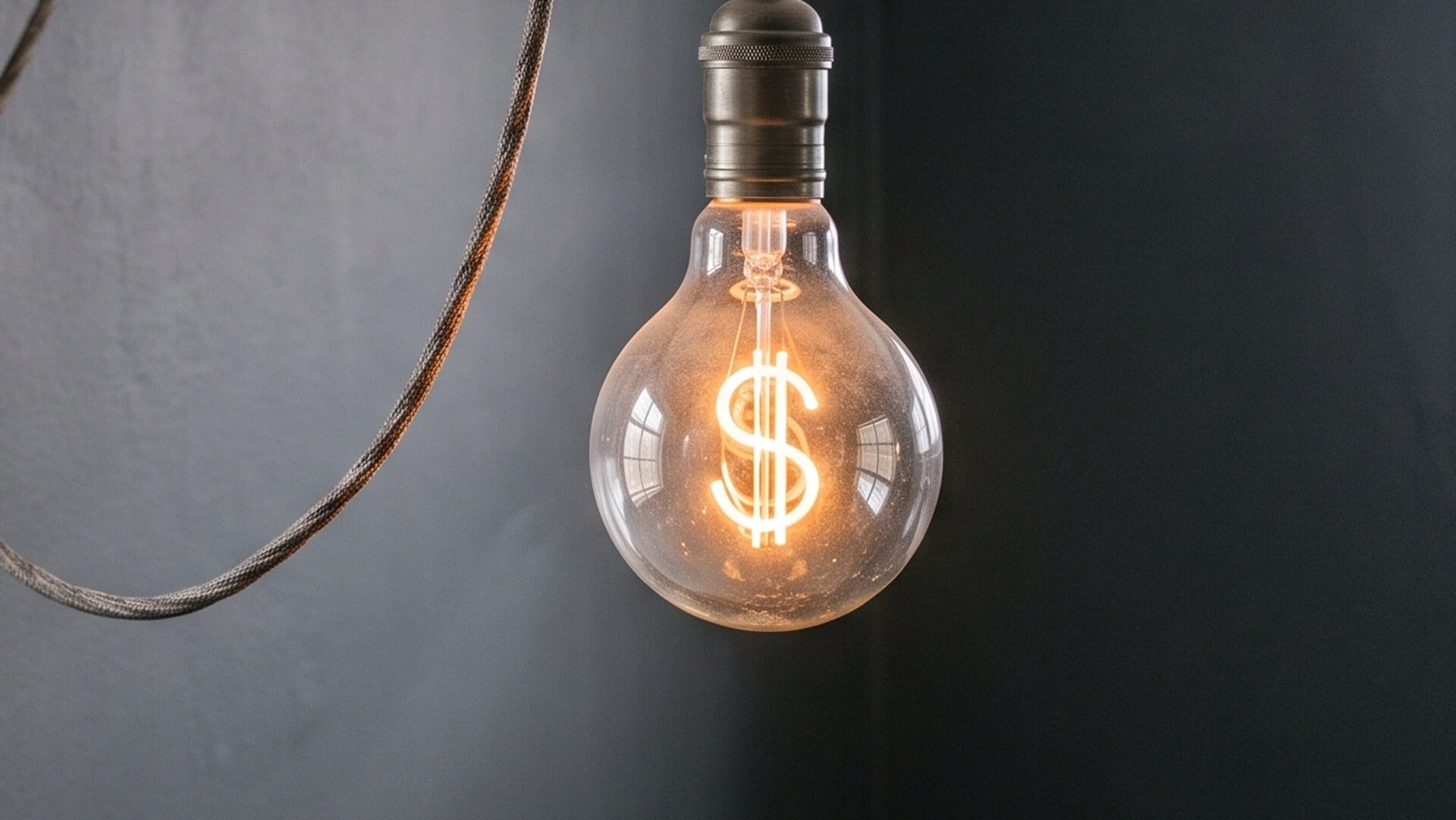
While Bill McKibben and reporters around the world are buzzing about Australia’s new era of free midday power, Americans are stuck paying high peak rates. This global shift ties into what I wrote yesterday about Europe’s rapid clean energy growth.
If these strategies are working globally, it begs the question:
Why can’t we repeat this in the United States?
Losing the Race
It’s probably not news to you that renewables have become the cheapest source of electricity on the planet, as fellow substacker Dan Delurey reports.
However, you may not be aware that America is lagging miserably, running a distant third behind Europe and China—and falling further behind Australia—in the clean energy race.
All the while, our domestic electricity prices have been climbing for years—a frustrating trend that fellow substacker Miranda Green breaks down perfectly.
The Reliability Excuse
Faced with the inevitable decline of oil and gas, fossil-fuel supporters rely on a predictable scare tactic: predicting imminent ‘rolling blackouts.’ This warning of a ‘green blackout’ is a propaganda tactic designed to stall the transition.
But other countries have proved them wrong by running on a high percentage of renewables without grid instability.
The real vulnerability lies in fossil fuels which have consistently failed in extreme weather and have become scarce during the Ukrainian and Iranian wars.
Upgrading the Grid
Australia overhauled its regulations to accelerate its renewable energy rollout. The country is also in the midst of its Rewiring the Nation program to aggressively upgrade its power grid with thousands of kilometers of new transmission lines. And the country is also installing huge utility-scale battery storage facilities.
This massive system overhaul ensures their grid can safely handle the retirement of old coal plants to meet their federal target of 82% renewable electricity by 2030.
By building out its grid in advance, the Australian government has driven wholesale power prices down below the cost of fossil fuels.

The Monopoly Protection Racket
The United States lags miserably behind other countries.
Why?
As Paul Krugman puts it: “In large part it is due to politics, which gives rise to differences in government policies towards renewables.”
Building a solar farm in the US or putting panels on an American roof is simply more expensive and time-consuming.
To protect their market share, monopoly utility corporations use generous campaign contributions and lobby politicians into blocking free competition and enacting anti-solar policies.
Lobbying - that's the way you do it get your money for nothing and block solar for free.
Australia’s Price-Smashing Policies
While Australia outpaces us in utility-scale generation, it absolutely crushes us in rooftop solar. You can purchase the exact same home solar system in Australia for a mere third of the price it commands in America.
The Australian government achieved this by slashing red tape, standardizing national policies, and actively reforming the grid.
The Verdict
Australia didn’t lower bills by installing energy-efficient appliances—it happened because they have a better grid policy. To slash energy bills in America, we don’t need to install microwave ovens. We just have to install new leaders.
Enjoyed this deep dive? Subscribe to get my next analysis sent straight to your inbox:
Want to see a real world decarbonization success story? Check out this case study:
The Real Reason China Is Going All-In On Renewables

Global environmental groups have long dreamed of an economy run on cheap, clean energy, and China has made this dream come true. Read our case study on how China - the world’s manufacturing superpower - is rapidly scaling its green grid.
Thanks for reading! I’m curious to hear your local perspective: What is the biggest hurdle to clean energy where you live?
Is it local govt push back, outdated grids, or sky-high utility bills?
Let me know your what you're seeing in your community.