Data Centers Are Eating the Energy Transition

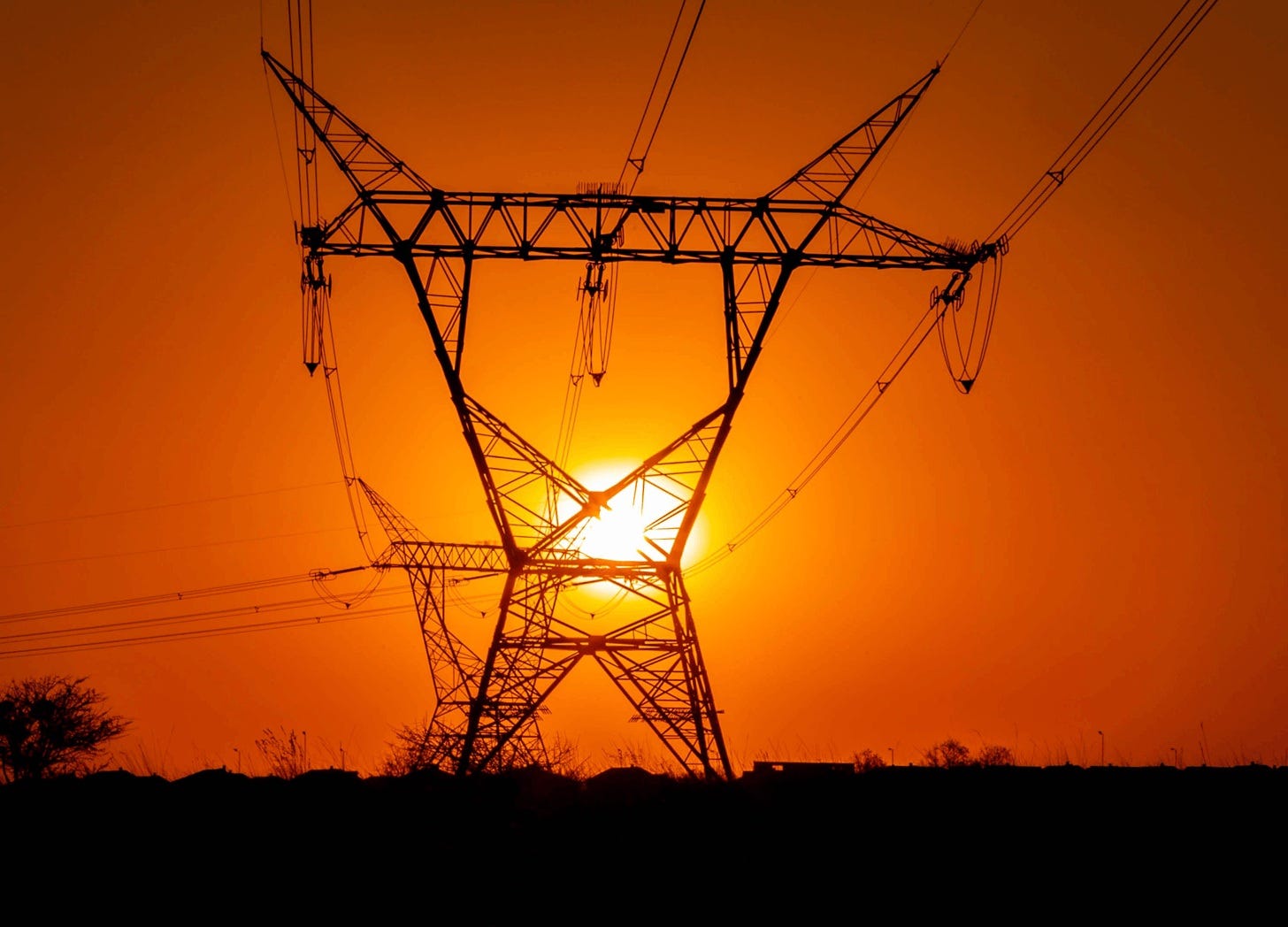
I’m going to get flack here from my fellow technophiles by saying that I’m against data centers. They are polluting climate wreckers that divert valuable grid resources from the energy transition, while adding little to communities.
Why Communities are Fighting Back
Data center construction now faces strong community opposition, due to higher utility bills and massive water use.
In Eagle Township, Michigan residents discovered that township leaders had signed Non-Disclosure Agreements for a $6 billion data center. The community fought back by recalling the supervisor and forcing the resignations of other officials who were involved. The new administration then rewrote the township's master plan to discourage data centers and other heavy industry.
Fighting Climate Change
Data centers power themselves with polluting gas generators – sometimes using noisy converted jet engines, like Elon Musk’s Grok facility.
Even on the few occasions they power themselves with renewables, they are diverting clean electricity that could have displaced a coal or gas plant.
And, the average proposed data center emits 2.8 million tons of CO2 per year. Meanwhile the average American only emits around 17.6 tons of CO2 per year.
Doing the math, this means that it would take over 160,000 people reducing their personal footprint to zero to reduce the emissions that can be achieved by blocking the construction of one proposed data center.
By stopping a data center in your area, you can protect your community while helping to fight climate change.
The Closed Loop Falsehood
Don’t be fooled by the “closed-loop” fallacy. Only the internal circuit of a data center is closed loop and it doesn’t save a drop of water. The heat must still be expelled to the outside environment, and must rely on secondary open-loop cooling towers or chillers that evaporate massive amounts of local freshwater. Achieving true zero water usage requires astronomical amounts of power.
Beware Sneaky Tactics
Officials often move quickly to approve new projects before residents are aware. Community residents have the most leverage during the approval process, because once construction starts, it is nearly impossible to stop.
How You Can Fight Back
If a data center is proposed near you, or you want to prevent one in the future, the real power lies with targeted local interventions to protect your grid. To find a local group already fighting data centers in the US, search the map provided by Data Center Watch. In Europe, you can find a group at AlgorithmWatch.
Here are the highest-leverage actions you can take:
Attend utility board hearings: Speak up at state Public Utility Commission meetings to argue against utility ratepayers subsidizing data center projects.
Ask for a pause or a ban: Contact your local and state officials to request a ban. Failing that, ask for a halt on new data center approvals until resource impacts are fully studied.
Elect grid-conscious officials: Vote for local and state candidates who support ending tax breaks and discounted electricity for massive data facilities.
Join the Conversation
If you liked this article and want to read more stories about changemakers saving the planet, subscribe for free below.
As usual, just a great and well-measure response to the insanity. As for me? I’m getting a lot of taunting notes from climate change deniers and have had just about enough of it. I am posing my response tomorrow morning.